


Binance Airdrop Programs: How Launchpool and HODLer Work


Table of contents
- What Are Binance's Official Airdrop Programs?
- Launchpool: Staking BNB to Obtain Newly Issued Tokens
- HODLer Airdrops: Reward for Holding BNB in Simple Earn Products
- Megadrop: Token Locking and Web3 Tasks
- How One Deposit of BNB Can Grant Participation in Multiple Programs
- Eligibility Requirements and Geographical Restrictions
- How Airdropped Tokens Are Actually Delivered
- Why Binance Airdrop Scams Are So Common
- How Binance Airdrop Scams Usually Work
- Binance Wallet Alpha and Other Access to Token Programs
- Why Binance Airdrops Exist At All
- How to Verify a Binance Airdrop Is Real
- Related guides
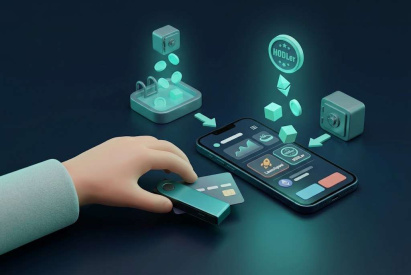
There are three major airdrop programs managed by Binance: Launchpool, HODLer Airdrops, and Megadrop. These programs grant a user access to newly issued tokens from upcoming projects if the user holds or stakes BNB. Most of these programs work automatically once a user meets the eligibility requirements, with no separate claim process needed. This is precisely the reason why any request to click a third-party link, pay a fee, or give account credentials to unlock a Binance airdrop does not correspond to the actual structure of these programs.
Knowing the peculiarities of every single program will make it easy to detect whether something that sounds like a Binance airdrop is actually a scam built around the exchange's name.
What Are Binance's Official Airdrop Programs?
Currently, there are three token distribution programs managed by Binance, which mainly depend on holding and staking BNB, the exchange's native token. Each works differently, targets a slightly different kind of user behavior, and has run continuously enough to distribute billions of dollars in token value across dozens of projects over several years.
These programs sit alongside Binance's standard exchange listings and are specifically designed as reward mechanisms for existing BNB holders, rather than open promotions requiring a visit to an external website or a separate registration process outside Binance's own platform.
Launchpool: Staking BNB to Obtain Newly Issued Tokens
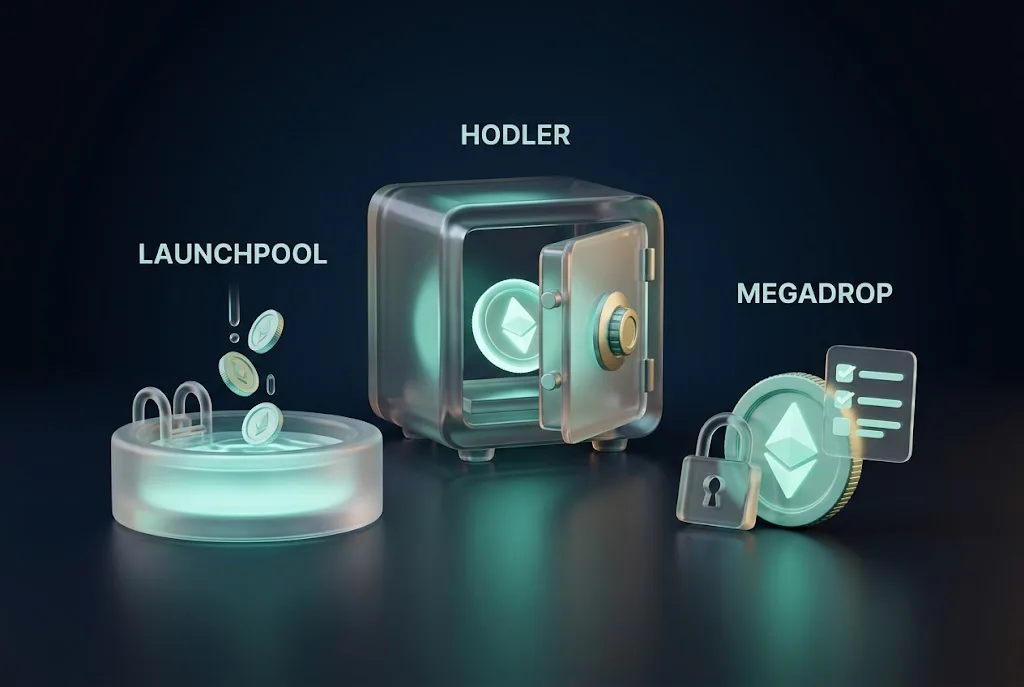
Launchpool lets users stake BNB, or in some cases another eligible asset such as FDUSD, into a pool dedicated to a specific new project, earning a share of that project's tokens for as long as the staking period runs. Such periods usually last for about five to ten days, and then, the user gets his tokens, and BNB becomes available in his account again.
Participation happens directly through Binance's own interface, and users who already have BNB subscribed to Simple Earn are automatically eligible for new Launchpool events without taking any additional action.
HODLer Airdrops: Reward for Holding BNB in Simple Earn Products
HODLer Airdrops are different from Launchpool since they are designed to reward users for holding BNB in Simple Earn Flexible or Locked products instead of participating in a special staking pool for a particular project. Binance takes multiple snapshots of user balances at random times, then calculates each user's average holdings over a defined historical window to determine the airdrop allocation.
Taking random snapshots rather than a single announced date is a deliberate design choice, intended to prevent someone from briefly depositing a large amount of BNB right before a known snapshot purely to inflate their reward, then withdrawing immediately afterward. Dozens of projects have been distributed through this specific program, and Binance has continued adding new ones to the list on an ongoing basis.
Megadrop: Token Locking and Web3 Tasks
Megadrop blends elements of Launchpool and Binance's Web3 Wallet, giving users early access to a new project's token by combining a BNB lock-up period with the completion of specific Web3-based tasks, sometimes described as quests. This structure rewards both a financial commitment through locked BNB and active engagement with the featured project itself, resulting in a larger allocation for users who do both compared with users who only lock BNB without completing the associated tasks.
Megadrop is the one official program among the three that involves actively using Binance's own Web3 Wallet as part of participation, which is worth noting since it is still an in-house Binance product rather than a third-party site or browser extension.
How One Deposit of BNB Can Grant Participation in Multiple Programs
Subscribing BNB to Simple Earn, through either the Flexible or Locked option, generally makes a user simultaneously eligible for Launchpool participation, HODLer Airdrops snapshots, and Megadrop opportunities, all from the same underlying deposit. On-Chain Yields subscriptions grant similar access to Launchpool.
Such overlapping of airdrop programs allows one deposit to become a source of reward for more than one program at once, and this is one of the reasons why many Binance users maintain a deposit of BNB in Simple Earn constantly instead of only during promotional periods.

Eligibility Requirements and Geographical Restrictions
Participation in any of these programs requires a verified Binance account in good standing, and specific programs may carry additional requirements, such as a minimum BNB balance or completion of certain account verification steps. Eligibility is also restricted by country or region for at least some airdrop programs, reflecting the regulatory environment Binance operates under in different jurisdictions.
Because these restrictions can differ from one specific airdrop to another, checking the eligibility details on Binance's own official announcement for that specific token is the most reliable way to confirm whether a particular account qualifies.
How Airdropped Tokens Are Actually Delivered
For HODLer Airdrops specifically, tokens are sent directly to a user's Spot Account, typically within about five hours of the official listing or announcement, with no separate claim interface or redemption process required from the participant. Launchpool rewards similarly become available directly within the user's account once the staking period concludes.
This detail matters because it means a legitimate Binance airdrop does not require visiting a separate website, connecting a wallet to an unfamiliar interface, or submitting a claim request through a link received by email or social media. The reward simply appears in the account that already met the eligibility criteria.
Why Binance Airdrop Scams Are So Common
Binance is the largest cryptocurrency exchange by trading volume, and its airdrop programs are genuinely well known for having distributed significant value to users over time. That combination, a real, valuable, well-publicized program plus an enormous global user base, makes the Binance name an attractive target for anyone trying to impersonate a legitimate opportunity.
Because real Binance airdrops do happen regularly, a fake announcement does not need to overcome deep skepticism about whether Binance airdrops exist at all. They should persuade him or her that this particular message from this particular link is one of the airdrops he or she already knows about.
How Binance Airdrop Scams Usually Work
Usually, such frauds have the following structure.
-
A user receives a message via email, direct message or social media from a fake Binance support account, stating that he/she is eligible for a specific airdrop and providing a link to claim it.
-
The linked site closely mimics Binance's visual branding but is hosted on a domain that only resembles binance.com rather than matching it exactly.
-
The site asks for Binance account login credentials, a two-factor authentication code, an API key, or a wallet connection and signature, framed as a required step to verify eligibility.
-
Some variations ask the victim to send a small amount of crypto first, framed as a network fee or activation cost required to unlock a much larger reward.
Any of these requests, particularly a request for login credentials, a two-factor code, or an upfront payment, is a strong sign that the offer is fraudulent rather than a genuine Binance program.

Binance Wallet Alpha and Other Access to Token Programs
Besides the three main programs, Binance has introduced additional mechanisms tied to its Web3 Wallet, sometimes referred to as Alpha events or early token generation event access, rewarding users who accumulate points through wallet activity with early access to newly launching tokens. These programs continue to evolve, with Binance periodically adjusting the specific point requirements and qualifying activities involved.
This ongoing evolution is worth keeping in mind, since the exact list of active programs and their specific mechanics can change over time as Binance introduces new features or retires older ones. Checking Binance's own current documentation for the most up-to-date list of active programs is more reliable than relying on a fixed description that may not reflect the latest structure.
Why Binance Airdrops Exist At All
Airdrops function as a way for new projects to distribute tokens to an engaged user base quickly, often in partnership with an exchange that already has millions of active accounts. For the project, it means fast and free distribution and visibility among a huge number of users. For Binance, hosting these programs strengthens the appeal of holding BNB and using its earning products, since BNB holders gain repeated access to new token opportunities beyond BNB's own value.
This mutual incentive structure explains why Binance has continued expanding these programs rather than treating them as a one-time promotional event, and why dozens of distinct projects have been distributed through HODLer Airdrops alone over time.
How to Verify a Binance Airdrop Is Real
There are several checks which can be done to understand whether a particular airdrop is legitimate.
-
Visit the official announcements section of Binance and type its address yourself without clicking on any third-party link.
-
Confirm that participation happens through an existing, verified Binance account rather than a separate site or wallet connection outside Binance's own platform, with the exception of the Web3 Wallet used specifically for Megadrop quests.
-
Remember that HODLer Airdrops and Launchpool rewards arrive automatically based on existing account activity, so an unsolicited message demanding immediate action to avoid missing out does not match how these programs are actually structured.
-
Never share an account password, two-factor authentication code, or API key with anyone, regardless of how convincingly they claim to represent Binance support or an airdrop team.

Related guides


 Scroll to top